
CA + Activator: the mechanism explained
Understand why the two-part system works, when to use it, and how to get professional results every time.
Problem, mechanism, result
Every good system starts with a clear problem worth solving.

Slow cure, messy bonds, unpredictable results
Standard CA adhesive relies on ambient moisture. This means variable set times, blooming on humid days, and inconsistent results on porous surfaces.
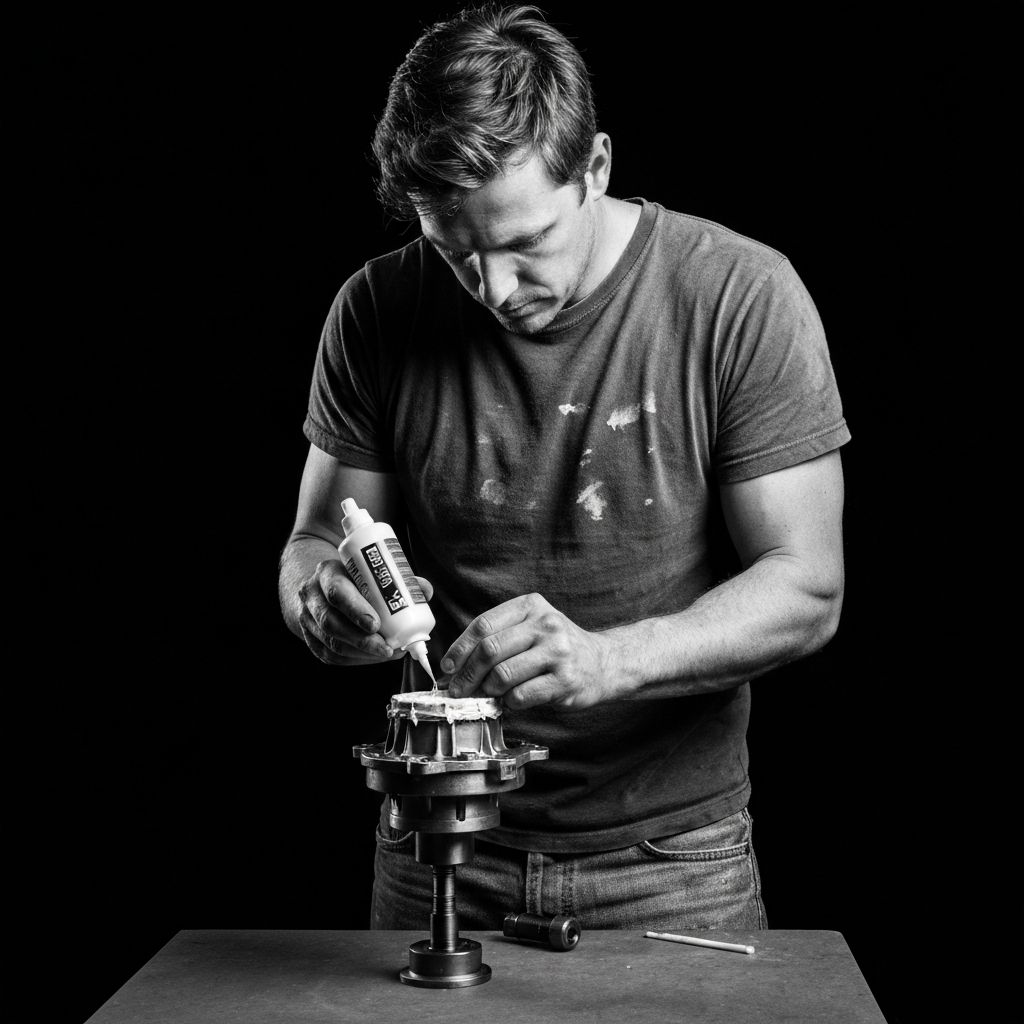
Activator-accelerated cyanoacrylate
BondWerks ONE pairs medium-viscosity CA with a dedicated activator spray. Rapid polymerisation across the bond line, independent of ambient conditions.

Fast set, clean finish, repeatable outcomes
Consistent bond formation with rapid handling strength. Less mess, less guesswork, more control. Every time.
The 4-step process
Apply, position, activate, set. Each step is designed for precision and control.
Apply Glue
Apply a thin, controlled bead of BondWerks ONE CA adhesive using the precision tip. Less is more -- a thin layer bonds strongest.
Position
Align and press parts together firmly. Full contact across the joint ensures maximum bond surface area.
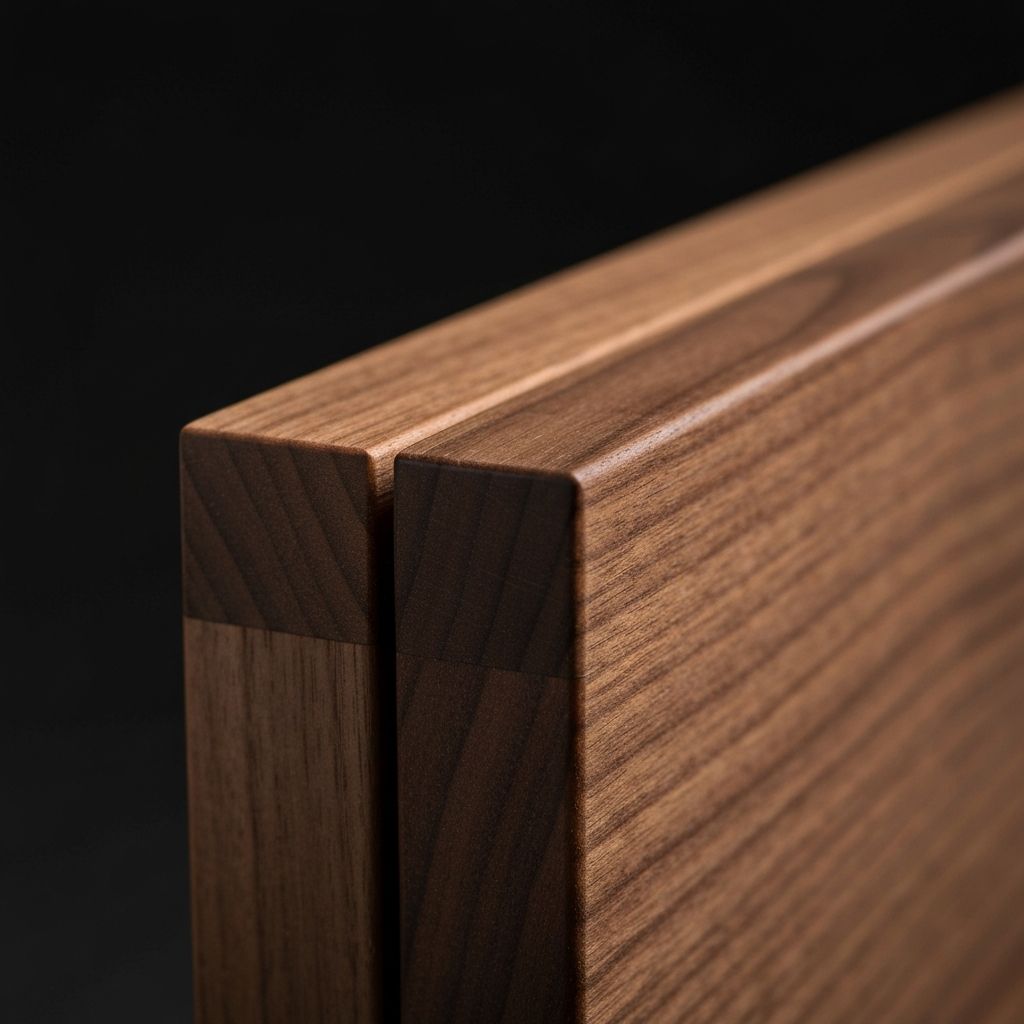
Spray Activator
A quick spray of BondWerks Activator from 15-20 cm triggers instant polymerisation. The bond sets rapidly and predictably.

Set
Hold for a few seconds. Handling strength is achieved rapidly -- no clamps, no waiting, no guesswork.

Do and don't
Do
- Clean surfaces before bonding -- remove oil, dust, and old adhesive.
- Use eye protection and work in a ventilated area.
- Store sealed and upright at room temperature after opening.
- Test on a scrap piece first, especially with new materials.
- Apply thin -- a little goes a long way with CA adhesive.
- Spray activator from 15-20 cm for even coverage.
Don't
- Do not use near eyes, skin, or mucous membranes.
- Do not force bonded skin apart -- soak in warm soapy water.
- Do not use excessive glue -- it slows cure and causes blooming.
- Do not assume all plastics bond equally -- PE/PP often need primer.
- Do not store in direct sunlight or at elevated temperatures.
- Do not use on load-bearing structural joints without engineering review.
When to use primer
Not all surfaces bond equally. Here's when a primer makes the difference.
PE & PP Plastics
Polyethylene (PE) and polypropylene (PP) have very low surface energy. Standard CA adhesive typically does not bond reliably without a dedicated polyolefin primer.
When NOT to use BondWerks ONE
- Structural, load-bearing joints requiring engineering-grade adhesives
- High-temperature applications beyond typical household ranges
- Submerged or continuously wet environments without sealing
- Food-contact surfaces
Try the Bond Advisor
Get tailored steps for your specific material and joint type.
Bond Advisor
Get best-practice steps for your specific bond.
What are you bonding?
Ready to try the system?
Get BondWerks ONE and experience the two-part bonding difference.
Disclosure: Some links may be paid links.